
This is the second part of a two part blog posting of my interview with my Grandfather Frank Schlick in 1984 that was published in both the West Chicago (Illinois) Press and the Dupage County Genealogical Society (DCGS) Review. Click here for the first part of the blog posting.)
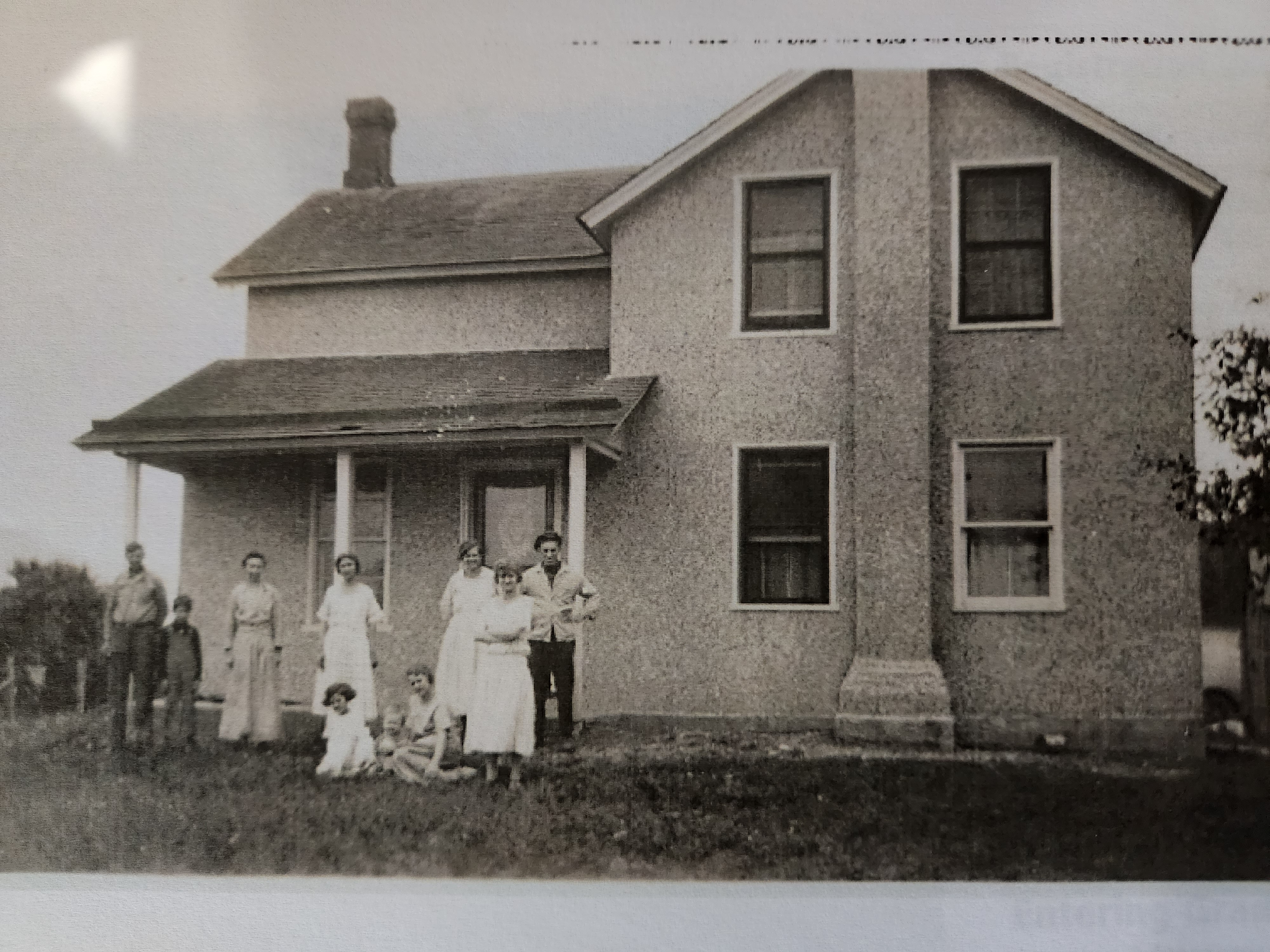
(Photo: Frank J. and Mae C. Schlick Estate Photo Archives.)
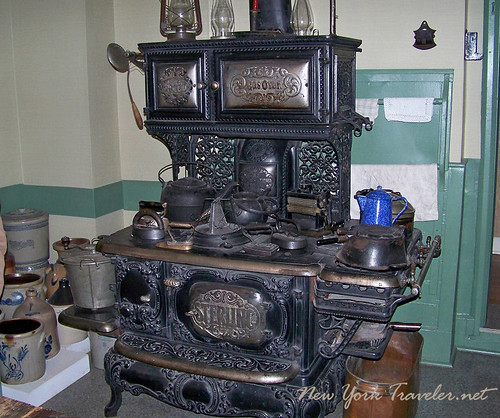
All of the food was cooked over a wood burning stove. Attached to the stove was a water retention pan so that warm water was always available for cleanup after work. When the need arose, a large tub was filled to bathe in.
Light switches were unknown in the early 1900s. Electrical lines were not strung up in DuPage County until about 1929 so kerosene lamps were needed after dark. About the same time electricity came to the county, the horse and plow were replaced by the modern tractor and disk.

According to a 10 July 1903 Wheaton Illinoian news article:
ELECTRICITY ON THE FARM.
Electric machinery will probably supplant other motive power in the DuPage river valley. Already the steam and gasoline engines of the smaller villages are in the hands of junk dealers or accumulating the dust and cobwebs of idleness. Since the Traction company’s new power house in Batavia began business there has been an abundance or power for the road and . . . consumers along the line [The Chicago, Aurora, and Elgin Electric Interurban Line] It is now proposed to furnish light and power to farmhouses along the valley at a reasonable cost.
The picture of husky son of the soil pressing a button in his home to feed the horses, turning a switch to start the machinery to milk the cows and eating his breakfast by electrical light is no pipe drean. But may be a reality in the not far distant future.
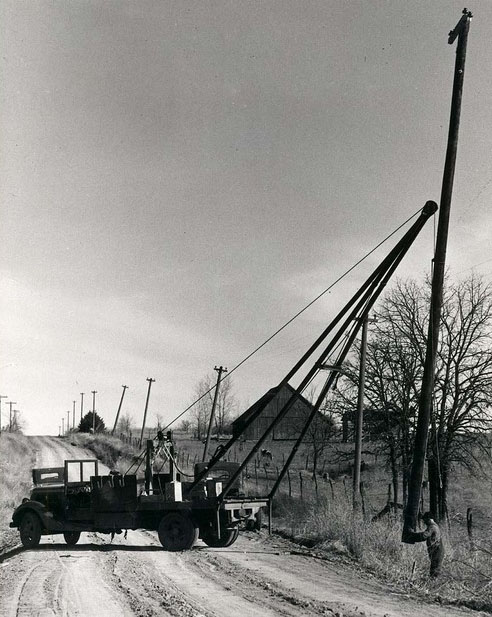
(Photo credit: Kansas Historical Society website: https://www.kshs.org/kansapedia/rural-electrification/12189.)
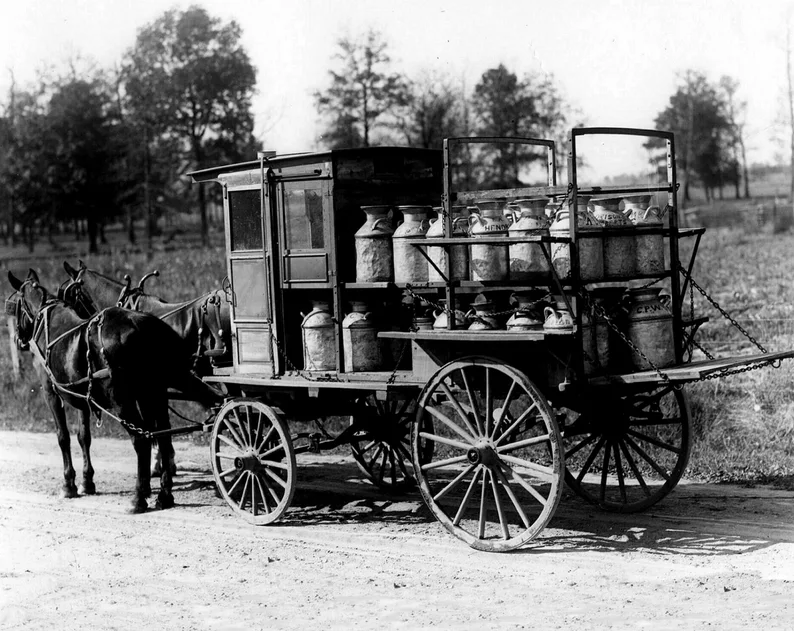
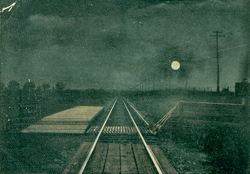
Horsepower not gas power accomplished travel then. During the winter the team of horses was htiched to a sleigh and traversed the main north south route through the area, Winfield Road. It was often used by farmers transporting milk to the Chicago, Aurora, and Elgin Montview Electricline Railroad Station located just south of Butterfield Road (Illinois Route 56) near the intersection of Winfield Road. “Winfield Road,” Grandfather Schlick recalled, was a gravel road with a foot-high row of prairie grass growing between the two paths trampled by horses’ hoofs.
In the spring, mud would be so deep it would come up to the horses’ knees. Spring floods often knocked out the Spring Brook Creek Bridge (located just north of the corner of Winfield and Mack Roads) and its logs would float away. The local farmers would gather them to put the bridge back together. “There was no such thing as county money (to make repairs) back then, ” Grandfather Schlick said.
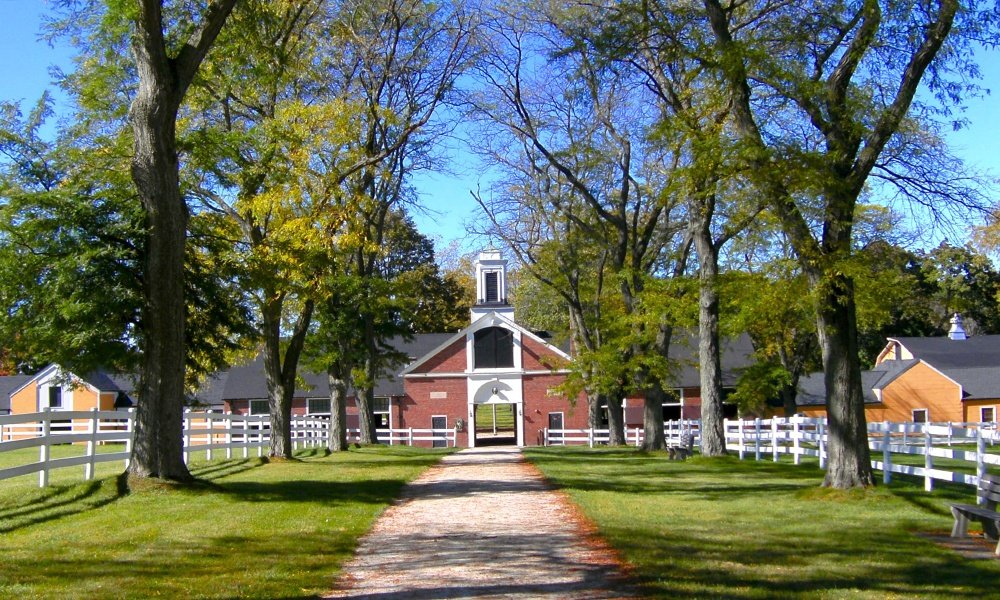
At the age of 14 in 1925, he was hired on at St. James Farm at the corner of Butterfield and Winfield Roads. The farm was the estate of Chauncey McCormick a cousin of Colonel Robert R. McCormick. For two hours every morning he milked cows for the magnificent sum of .25 cents per an hour. “Boy, that was a lot of money back then,” he said. What began as a part-time job in his youth turned into a lifelong labor, retiring 60 years later.
A model of thrift, he was able to save enough to put his horse aside and purchase a $300 Model A Ford.

In the days long before the Internet, chat rooms, cable and streaming, Instagram, FaceBook, video games or shopping malls, his free time was spent playing checkers or cards or dominoes, popping popcorn, for snacks and discussing the day’s work with his family. He fondly remembered his friends and neighboring farms rushing to his house to feast on homemake doughnuts.

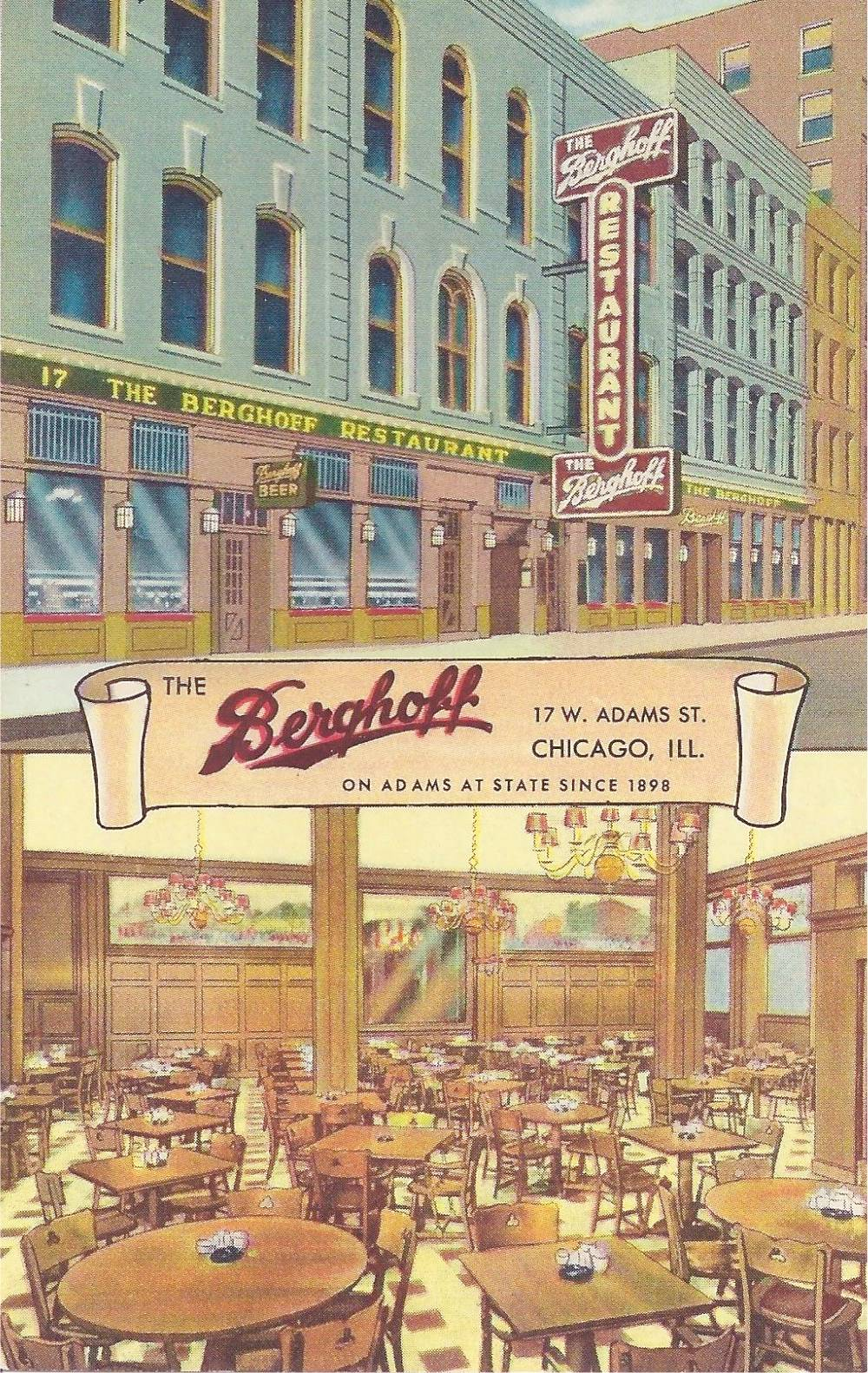
Another happy memory was “free days” from school. “A bunch of us kids would fill half a coach of a Chicago and Northwestern train bound for Chicago. Once there we would catch a movie or visit the Shedd Aquarium after a meal at Berghoff’s Restaurant. It cost a whole $10.00 round-trip for five people! We were so tired from the trip we couldn’t move for two days after.”

(Photo Credit: Paul Swanson, Midcontinent Railway Museum site: https://www.midcontinent.org/equipment-roster/cabooses/chicago-north-western-10802/)
“Yes, they were better days back then,” he said, with a hint of a smile toward the close of the interveiw. The less congested, complicated and forever gone days of turn-of-the century DuPage are memories now and most are fond remembrances.

(Photo: Frank J. and Mae C. Schlick Estate Photo Archive.)


 Schlick Daleiden Family DuPage/Kane Co. Blog
